Dead Tree Removal in Montgomery County, PA
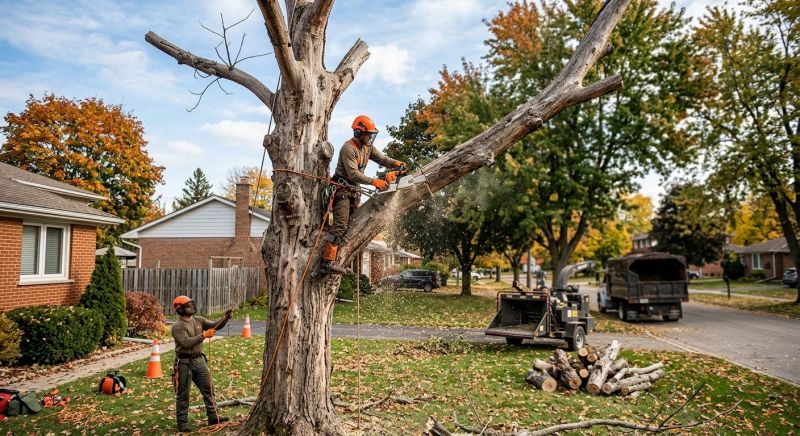
Dead tree removal services involve safely removing trees that are dead, decayed, or pose a risk to property and safety. This service covers a variety of projects, including the removal of hazardous trees near homes or structures, clearing fallen or broken branches, and preparing land for new landscaping or construction. Property owners typically request this service when a tree shows signs of disease, instability, or damage from storms, and they want to prevent potential property damage or personal injury.
Before requesting dead tree removal, property owners should consider the location of the tree, its size, and the potential impact on surrounding structures or landscape. It’s also helpful to understand whether the tree is close to power lines, fences, or other trees, which can influence the approach and safety precautions required. Clear communication about the tree’s condition and the property’s layout can assist in planning a safe and effective removal process.
Many property owners in Montgomery County, PA look into Dead Tree Removal for repairs, replacements, upgrades, and appearance-related improvements.
Reasons To Remove Dead Trees
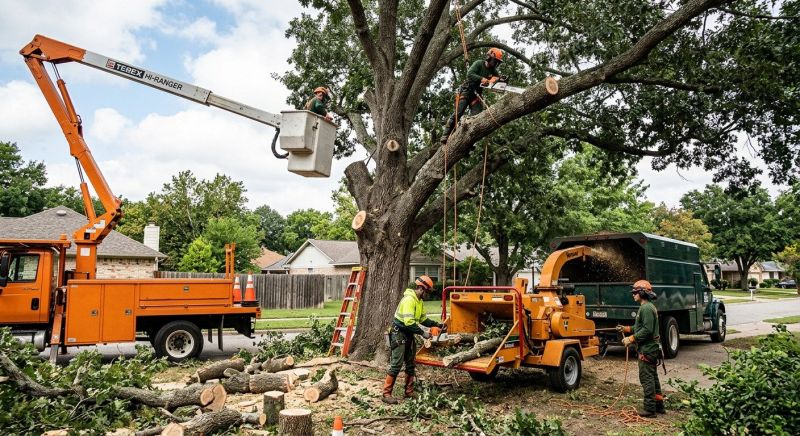
Removing dead trees helps prevent potential damage to property and reduces safety hazards.
Signs A Tree Needs Removal
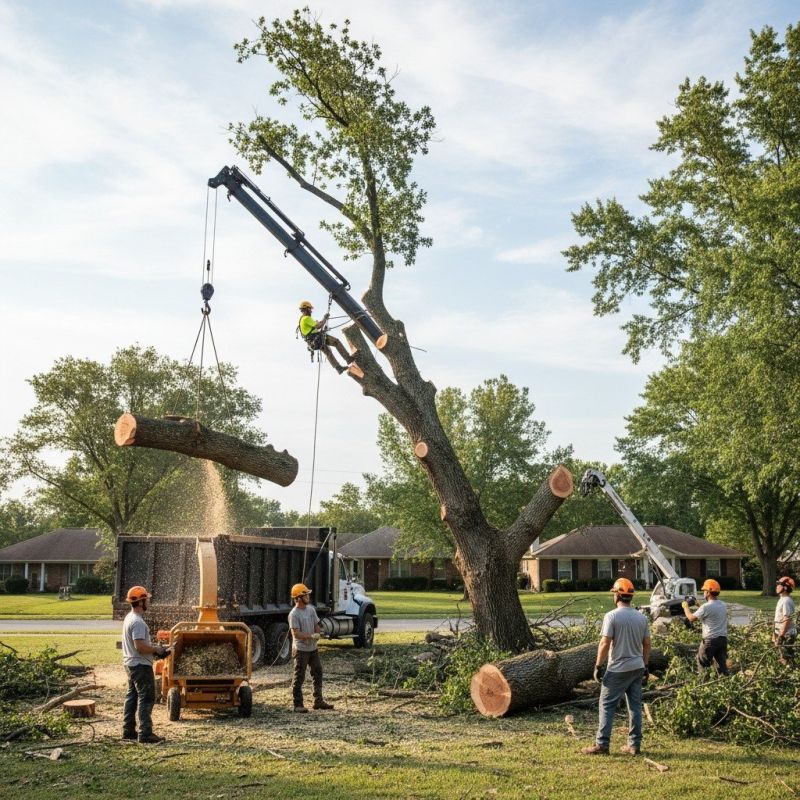
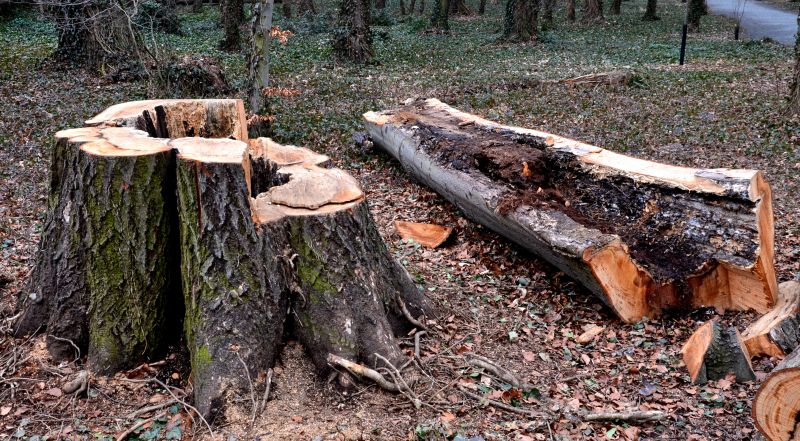
Indicators include dead branches, trunk decay, and leaning or unstable growth patterns.
Benefits Of Professional Dead Tree Removal
Professional services ensure safe, efficient removal and help maintain the health of surrounding landscape.
Dead Tree Removal in Montgomery County, PA

Dead tree removal services involve safely removing trees that are dead, decayed, or pose a risk to property and safety. This service covers a variety of projects, including the removal of hazardous trees near homes or structures, clearing fallen or broken branches, and preparing land for new landscaping or construction. Property owners typically request this service when a tree shows signs of disease, instability, or damage from storms, and they want to prevent potential property damage or personal injury.
Before requesting dead tree removal, property owners should consider the location of the tree, its size, and the potential impact on surrounding structures or landscape. It’s also helpful to understand whether the tree is close to power lines, fences, or other trees, which can influence the approach and safety precautions required. Clear communication about the tree’s condition and the property’s layout can assist in planning a safe and effective removal process.
Many property owners in Montgomery County, PA look into Dead Tree Removal for repairs, replacements, upgrades, and appearance-related improvements.
Common Dead Tree Removal Jobs
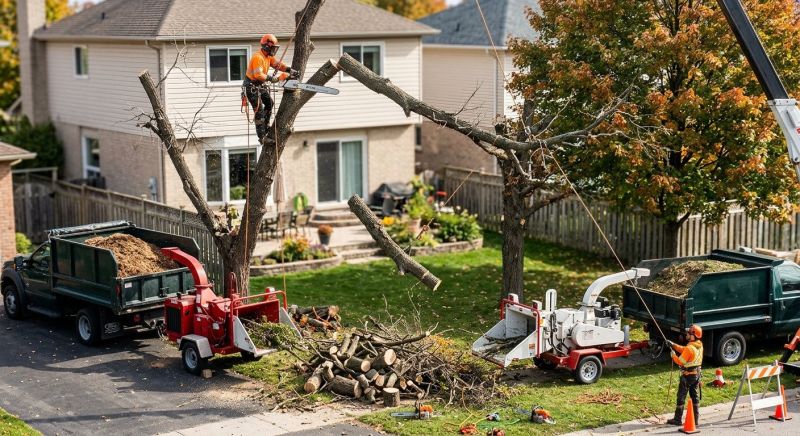
Dead Tree Removal - safely removes hazardous or decayed trees to prevent property damage.
Stump Grinding - eliminates remaining tree stumps for a smooth, safe yard surface.
Emergency Tree Removal - handles urgent situations caused by storm damage or fallen trees.
Selective Tree Removal - removes specific trees to improve landscape health and aesthetics.
Tree Hazard Assessment - evaluates trees for potential risks and recommends removal if needed.
Property Clearing - clears fallen or dead trees to maintain a safe and accessible outdoor space.
Dead Tree Removal Questions
When is dead tree removal necessary? Dead trees may need removal if they pose a risk of falling, show signs of decay, or have extensive damage that cannot be safely repaired.
What are common signs of a dead tree? Signs include discolored or wilting leaves, cracked or peeling bark, and dead branches that do not produce new growth.
Is dead tree removal safe for surrounding property? Proper removal techniques help prevent damage to nearby structures, landscaping, and utilities during the process.
What should property owners consider before removal? It’s important to assess the tree’s location, size, and condition to determine the best approach for safe and effective removal.
Request Dead Tree Removal in Montgomery County, PA
Use the quote form on this page to share the basics of your project and request more information for the type of work you need.